Understanding Sensitive Skin and Its Unique Challenges
Sensitive skin requires a carefully balanced approach when it comes to professional treatments. Unlike resilient skin types, sensitive skin is more prone to:
- Redness and irritation
- Burning or stinging sensations
- Inflammation and dryness
- Barrier disruption
Because of these characteristics, many individuals assume that chemical peels are too harsh. However, when performed correctly, chemical peels can be safe and highly beneficial—even for sensitive skin.
We focus on selecting the right formulations and techniques to ensure effective results without compromising skin integrity.
Are Chemical Peels Safe for Sensitive Skin? The Short Answer
Yes, chemical peels can be safe for sensitive skin—but only when:
- The correct type of peel is chosen
- The strength is properly adjusted
- The treatment is performed by trained professionals
- Proper pre- and post-care is followed
The key lies in customization and expertise, not avoidance.
Best Chemical Peels for Sensitive Skin
Not all peels are suitable for sensitive skin. We prioritize gentle, controlled exfoliation over aggressive resurfacing.
1. Lactic Acid Peels: The Gold Standard for Sensitive Skin
Lactic acid is one of the most recommended options for sensitive skin due to its mild exfoliating and hydrating properties.
Why It Works:
- Gently removes dead skin cells
- Improves skin tone without irritation
- Supports moisture retention
- Strengthens the skin barrier over time
This makes it ideal for individuals seeking subtle, consistent improvements.
2. Mandelic Acid Peels: Slow and Steady Results
Derived from almonds, mandelic acid has a larger molecular size, allowing it to penetrate the skin more slowly.
Benefits:
- Minimal irritation
- Suitable for redness-prone skin
- Helps with mild acne and pigmentation
This peel is perfect for those who want effective results with minimal risk.
3. Low-Strength Glycolic Peels (With Caution)
While glycolic acid can be strong, low concentrations can be safely used under professional supervision.
Advantages:
- Improves skin brightness
- Refines texture
- Boosts collagen production
We ensure that concentrations are carefully controlled to avoid overstimulation.
Peels to Avoid for Sensitive Skin
Certain peels are generally not recommended for sensitive skin unless specifically advised by a professional.
Avoid or Use with Caution:
- High-strength glycolic acid peels
- Deep TCA peels
- Phenol peels
- Aggressive multi-acid treatments
These can cause excessive irritation, inflammation, and prolonged recovery.
How We Customize Chemical Peels for Sensitive Skin
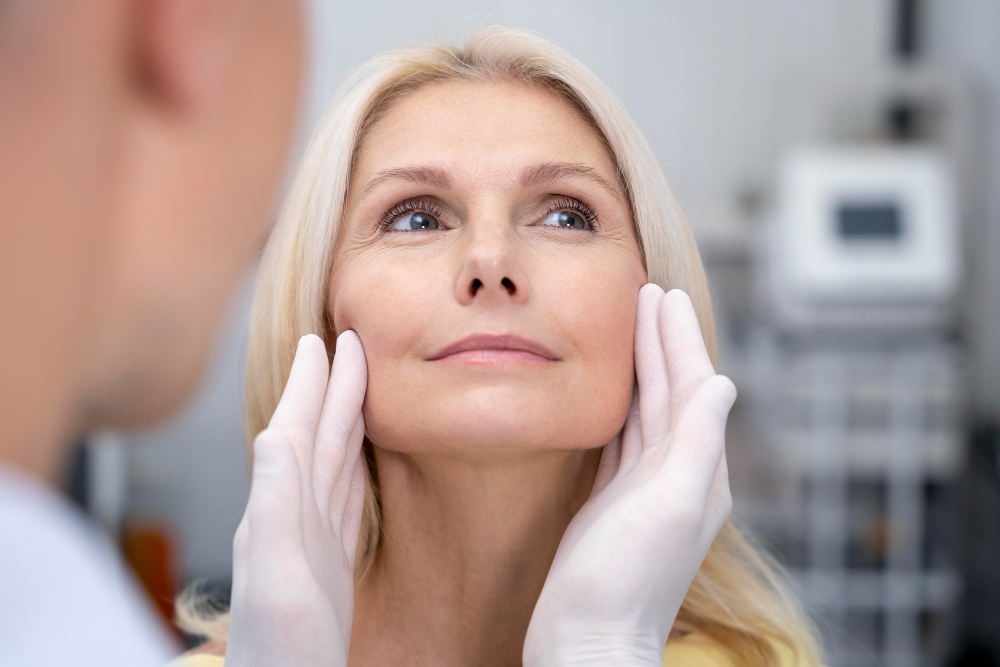
A successful treatment begins with a detailed skin assessment.
We evaluate:
- Skin sensitivity level
- Presence of rosacea or inflammation
- Hydration and barrier function
- History of reactions to skincare products
Based on this, we adjust:
- Peel strength and formulation
- Application time
- Number of layers
- Treatment frequency
This ensures a safe, controlled, and effective experience.
Benefits of Chemical Peels for Sensitive Skin
When done correctly, chemical peels can offer significant benefits:
- Improved skin texture and smoothness
- Brighter, more even complexion
- Reduction in mild pigmentation
- Enhanced absorption of skincare products
- Strengthened skin barrier over time
Rather than damaging sensitive skin, the right peel can actually improve its resilience and health.
What to Expect During the Treatment
Sensitive skin treatments are designed to be comfortable and controlled.
During the Peel:
- Mild tingling or warmth
- Minimal discomfort
- Short application time
We monitor the skin closely to ensure no excessive reaction occurs.
Aftercare: The Most Critical Step for Sensitive Skin
Post-treatment care is essential to prevent irritation and maximize results.
Do:
- Use gentle, fragrance-free skincare products
- Apply broad-spectrum SPF daily
- Keep skin hydrated with soothing moisturizers
- Follow professional instructions carefully
Avoid:
- Active ingredients (retinol, acids) for several days
- Direct sun exposure
- Harsh exfoliation
- Hot showers or heat exposure
Proper aftercare ensures smooth healing and optimal results.
How Often Can Sensitive Skin Get Chemical Peels?
Frequency depends on skin tolerance and treatment goals.
- Light peels: Every 3–4 weeks
- Maintenance treatments: As recommended
We always prioritize gradual improvement over aggressive treatment, ensuring long-term skin health.
Common Myths About Chemical Peels for Sensitive Skin
“Sensitive skin cannot handle chemical peels.”
False. With the right approach, peels can be both safe and effective.
“Peels will make sensitive skin worse.”
False. Properly selected peels can actually strengthen the skin barrier.
“All peels cause excessive peeling.”
False. Many gentle peels involve little to no visible peeling.
Combining Chemical Peels with Other Gentle Treatments
To enhance results, we may combine peels with:
- Hydrating facials
- LED light therapy
- Mild laser treatments like CoolPeel (with proper timing)
This approach delivers comprehensive skin improvement without overloading sensitive skin.
Who Should Be Extra Cautious?
You should consult a professional before getting a peel if you have:
- Active rosacea
- Severe skin barrier damage
- Recent use of strong retinoids
- History of allergic skin reactions
A tailored plan ensures safe and predictable outcomes.
Conclusion: Safe, Effective, and Tailored for You
Chemical peels are not off-limits for sensitive skin. With the right selection, technique, and aftercare, they can deliver visible improvements without irritation. The key is to focus on gentle formulations, gradual progress, and expert guidance.
Sensitive skin requires a thoughtful approach—but when treated correctly, it can achieve radiant, smooth, and healthy results.
At Believe Aesthetics, we specialize in customized chemical peel treatments for sensitive skin, ensuring every procedure is tailored to your unique needs. Our expert team prioritizes safety, comfort, and results—helping you achieve glowing skin with confidence.