Dermaplaning has rapidly become one of the most talked-about skin resurfacing treatments in modern aesthetics. From social media influencers to dermatology clinics, the promise of instantly smoother, brighter skin has attracted millions. However, for individuals dealing with persistent breakouts, clogged pores, and inflammation, one critical question remains — is dermaplaning safe for acne-prone skin?
Understanding the science, risks, benefits, and professional recommendations is essential before deciding whether this treatment aligns with your skincare needs. When approached correctly and performed by qualified professionals, dermaplaning can be transformative. When misunderstood or self-performed improperly, it can aggravate sensitive or acne-affected skin.
What Is Dermaplaning and How Does It Work?
Dermaplaning is a non-invasive exfoliation technique that involves using a sterile surgical blade to gently remove the top layer of dead skin cells and fine facial hair (vellus hair or “peach fuzz”). The process is painless, requires no downtime, and delivers instant visual results.
Key Mechanism of Dermaplaning
- Removes surface debris and dead skin
- Enhances product absorption
- Improves skin texture and tone
- Creates a smoother base for makeup application
- Encourages cell turnover
The procedure is purely superficial. Unlike chemical peels or laser resurfacing, dermaplaning does not penetrate deeper skin layers. This is why it is widely regarded as safe — but only under the right conditions.
Understanding Acne-Prone Skin Before Dermaplaning
Acne-prone skin is characterized by increased sebum production, clogged pores, inflammation, and bacterial activity. Breakouts can range from blackheads and whiteheads to painful cystic acne.
Dermaplaning interacts with this skin type differently compared to normal or dry skin. The presence of active acne lesions significantly changes the risk profile of the procedure.
Types of Acne and Dermaplaning Suitability
- Blackheads & Whiteheads: Often safe with professional care
- Mild Non-Inflamed Acne: Usually acceptable
- Moderate Acne: Requires expert evaluation
- Severe/Cystic Acne: Not recommended
Performing dermaplaning over active, inflamed acne can spread bacteria, increase irritation, and potentially lead to scarring.
Benefits of Dermaplaning for Acne-Prone Skin
When acne is mild or controlled, dermaplaning offers several targeted advantages that can actually support clearer skin.
Enhanced Exfoliation
Removing dead skin prevents pore congestion, one of the main triggers of breakouts.
Improved Skincare Absorption
Serums containing salicylic acid, niacinamide, and retinoids penetrate more effectively after dermaplaning.
Brighter Complexion
Dullness caused by post-acne marks becomes less noticeable with consistent exfoliation.
Smoother Skin Texture
Uneven skin and superficial acne scarring may appear softer and more refined.
Risks of Dermaplaning on Acne-Prone Skin
Despite its benefits, dermaplaning is not universally safe. Incorrect technique or poor timing can trigger negative outcomes.
Potential Side Effects
- Spread of Acne-Causing Bacteria
- Increased Inflammation
- Micro-Cuts Leading to Infection
- Skin Sensitivity and Redness
- Worsening Breakouts
Individuals using strong acne medications like isotretinoin or undergoing aggressive chemical treatments should avoid dermaplaning until skin stability is restored.
Professional Dermaplaning vs At-Home Tools
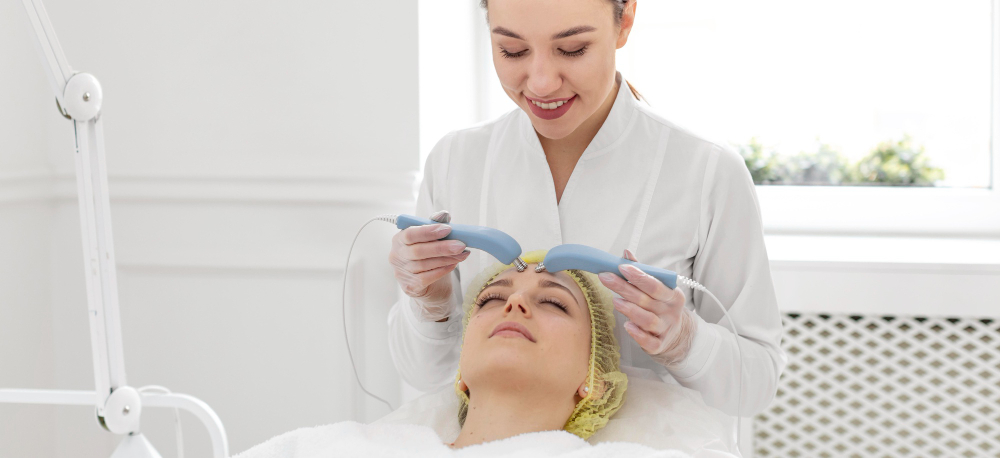
One of the biggest misconceptions is that dermaplaning is identical to shaving. Professional dermaplaning involves medical-grade blades, sterile environments, and trained aesthetic judgment.
At-home dermaplaning tools often lack precision and hygiene standards. For acne-prone skin, this distinction becomes even more important.
Why Professional Treatment Matters
- Sterile equipment prevents bacterial contamination
- Skilled pressure control avoids cuts
- Skin assessment ensures safety
- Post-treatment care reduces irritation
At-home methods can be safe for maintenance but should never replace professional evaluation, especially for individuals with recurring acne.
When Dermaplaning Is NOT Recommended
Dermaplaning should be postponed or avoided entirely in the following situations:
- Active cystic or inflamed acne
- Open wounds or skin infections
- Recent chemical peels or laser treatments
- Severe rosacea or eczema
- Sunburn or compromised skin barrier
Ignoring these contraindications increases the likelihood of adverse reactions and long-term skin damage.
How to Prepare Acne-Prone Skin for Dermaplaning
Preparation is crucial for minimizing risks and maximizing results. Dermatologists and licensed aestheticians often recommend:
Pre-Treatment Steps
- Pause strong exfoliants 3–5 days prior
- Avoid retinoids and benzoyl peroxide temporarily
- Maintain gentle cleansing routines
- Stay hydrated and avoid sun exposure
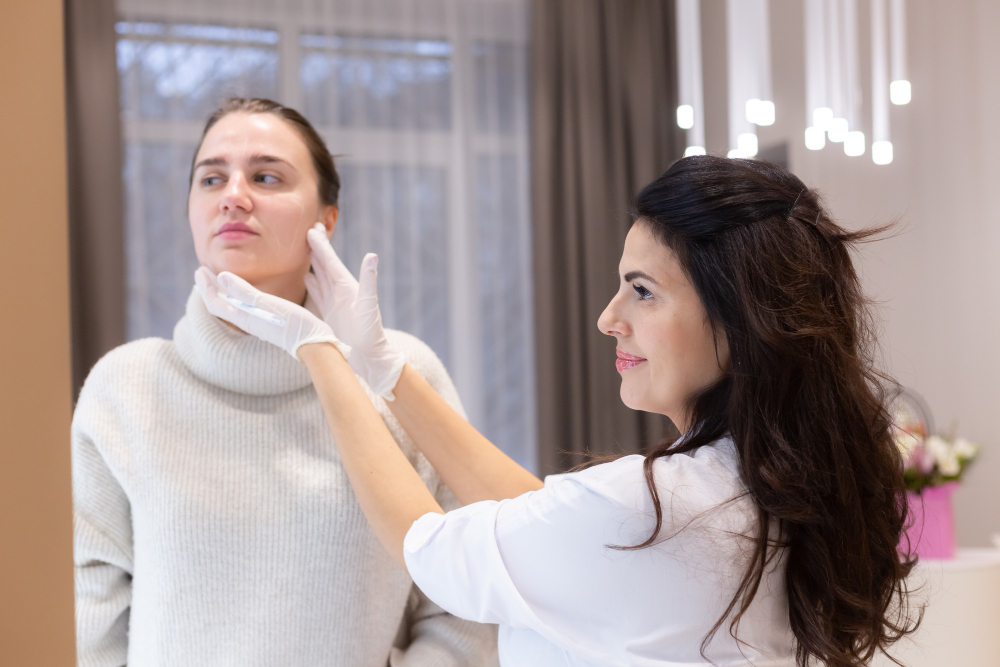
- Consult a professional skin analysis
Post-Dermaplaning Care for Acne-Prone Skin
After dermaplaning, the skin becomes temporarily more sensitive. Proper aftercare prevents irritation and supports healing.
Essential Aftercare
- Apply broad-spectrum sunscreen daily
- Use fragrance-free moisturizers
- Avoid harsh exfoliants for 5–7 days
- Keep hands away from the face
- Reintroduce acne treatments gradually
Consistent aftercare determines whether dermaplaning enhances or harms acne-prone skin.
Dermaplaning vs Other Acne-Friendly Treatments
While dermaplaning can help with superficial exfoliation, some acne-focused treatments may deliver better long-term results.
Alternative Options
- Chemical Peels: Deep pore cleansing
- Microdermabrasion: Mechanical exfoliation
- Laser Therapy: Scar reduction
- Hydrafacial Treatments: Hydration and detoxification
Choosing between these options depends on acne severity, skin sensitivity, and professional guidance.
Final Thoughts: Is Dermaplaning Safe for Acne-Prone Skin?
Dermaplaning can be safe and beneficial for acne-prone skin — but only when acne is mild, controlled, and evaluated by a qualified professional. The treatment should never be performed over active inflammatory lesions. When timed correctly and paired with proper skincare routines, dermaplaning enhances clarity, brightness, and smoothness without triggering breakouts.
For individuals seeking expert advice and customized skincare solutions, Believe Aesthetics stands out as a trusted destination. Their experienced professionals assess skin conditions carefully before recommending dermaplaning or alternative treatments, ensuring both safety and visible results. With tailored approaches, advanced technology, and a commitment to skin health, Believe Aesthetics helps clients achieve smoother, healthier, and more radiant skin while minimizing acne-related risks.